
What Are Truffles, and What Do They Taste Like?
Mar
When people imagine luxurious cuisine, dishes like soufflés, crème brûlée, and ingredients such as truffle oil often come to mind. While these were once reserved for fine dining, they have gradually made their way into everyday cooking, with truffle oil in particular becoming a popular addition in home kitchens. Its distinctive aroma and deep, savory character make it a versatile finishing ingredient that enhances everything from pasta to roasted meats. Even a small amount can transform a simple dish into something far more elevated and memorable.
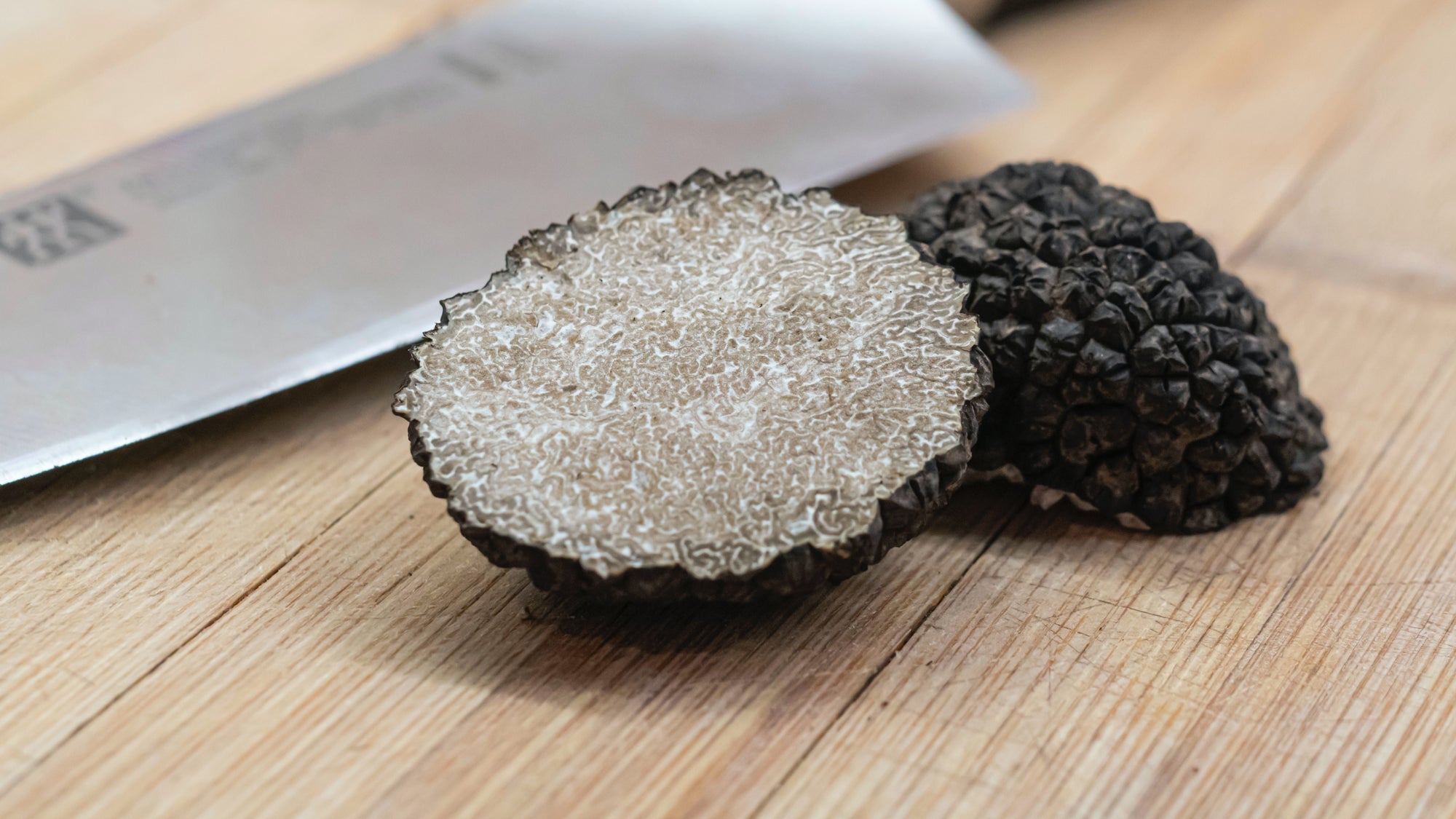
Truffles themselves are rare and fascinating ingredients that have captivated chefs and food lovers for centuries. These edible fungi grow beneath the surface of the soil, typically near the roots of specific trees such as oak, beech, and poplar. Unlike common mushrooms, truffles do not have a stem or cap; instead, they resemble small, irregularly shaped lumps, often compared to rough-skinned potatoes. Despite their modest appearance, they are prized for their intense aroma and complex flavor, which is why they are considered one of the most sought-after delicacies in the culinary world.
There are many varieties of truffles found across the globe, each differing in color, size, and taste. Some of the most well-known types include white truffles, black truffles, and seasonal varieties such as summer or Burgundy truffles. Among these, white truffles are particularly prized and can command extremely high prices due to their rarity and limited growing regions. Countries like Italy and France are especially famous for producing high-quality truffles, although they can also be found in places such as Australia, New Zealand, and parts of North America.
Because truffles grow underground, they are not easy to locate. Harvesting them requires skill and patience, as well as the help of animals with a keen sense of smell. Traditionally, trained dogs are used to detect the scent of truffles beneath the soil. Once they locate a truffle, they signal its position so it can be carefully unearthed. Pigs have also been used historically, as they are naturally attracted to the scent, although they can be more difficult to manage. In some cases, even birds like pigeons have been trained for this purpose, though this method is less common. Today, truffles are sourced both from wild environments and from cultivated farms that replicate the conditions needed for their growth.
The flavor of truffles is often described as deeply earthy and rich, with a complexity that sets them apart from ordinary mushrooms. Some people compare the taste to the scent of damp forest soil after rain, while others notice nutty, savory, or slightly briny undertones. The exact flavor can vary depending on the variety, but all share a distinctive intensity that makes them unforgettable. Because of this, truffles are typically used sparingly, allowing their unique character to enhance rather than overwhelm a dish.
Truffles and truffle-based products pair well with a wide range of foods. Truffle oil, for example, is commonly used as a finishing touch, drizzled over dishes just before serving to preserve its aroma. It complements ingredients like pasta, risotto, eggs, and even simple snacks such as popcorn. Other products, including truffle salt, butter, and cheese, offer additional ways to incorporate this flavor into everyday meals. Even unexpected combinations, such as truffle-infused honey or desserts, highlight the versatility of this ingredient.
In modern cooking, truffles have become more accessible through these infused products, allowing more people to enjoy their distinctive taste without the high cost of fresh truffles. Whether used in a gourmet recipe or as a simple garnish, they bring a sense of refinement and depth to any dish. For those looking to expand their culinary horizons, exploring truffles can open the door to a richer and more sensory-driven cooking experience.